
From Playtime to Learning Time: Blending Fun with Education
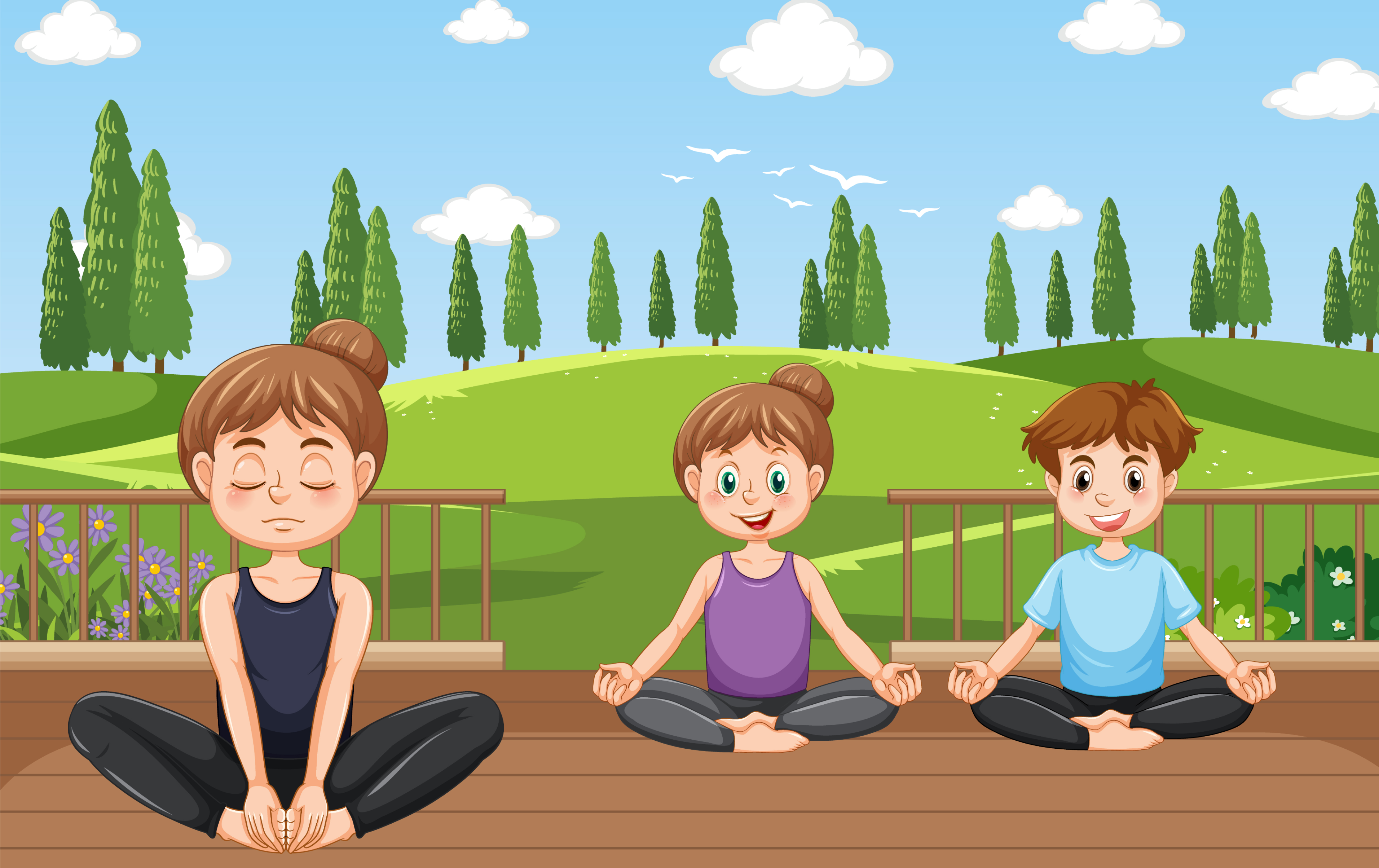
From Playtime to Learning Time: Blending Fun with Education
By Nobel Public School
At Nobel Public School, we believe that the best learning happens when children are happy, curious, and engaged. For young learners, play is not just recreation — it’s a powerful way to explore, imagine, and understand the world around them. That’s why we focus on blending fun with education, turning playtime into meaningful learning experiences every day.
Why Play Matters in Learning
Play is the natural language of childhood. When children play, they develop skills that go far beyond what’s visible. Through play, they learn to:
- • Think creatively and solve problems.
- • Work together, share, and communicate.
- • Build confidence and independence.
- • Develop fine motor skills, focus, and imagination.
By turning playful activities into learning opportunities, we help children grasp new concepts in a way that feels joyful and effortless.
Learning Through Fun – Our Approach
At Nobel Public School, our classrooms are lively spaces filled with activity, curiosity, and laughter. Teachers use interactive and hands-on methods such as:
- • Educational games to strengthen memory and understanding.
- • Story-based learning to spark imagination and improve language skills.
- • Art, music, and drama to express creativity and emotions.
- • Outdoor activities that combine play with lessons in science, teamwork, and observation.
These experiences turn learning into an adventure — one where every student is an active participant, not just a listener.
The Benefits of Blending Fun and Education
When children enjoy what they learn, they remember it longer and apply it better. Blending play with academics helps:
- • Improve attention and motivation.
- • Build stronger emotional and social connections.
- • Encourage curiosity and a love for discovery.
- • Make learning inclusive and enjoyable for all types of learners.
At Nobel Public School, we see each child as a natural explorer, and play gives them the freedom to learn at their own pace and style.
Creating Joyful Classrooms at Nobel Public School
Our teachers design every lesson with both learning goals and fun in mind. Whether it’s counting with colorful blocks, role-playing a story, or conducting mini science experiments, children learn important life skills while having a great time.
We believe that when learning feels like play, children don’t just gain knowledge — they gain confidence, creativity, and happiness.
In Conclusion
Education should inspire, not overwhelm. At Nobel Public School, we are proud to blend fun with learning — helping students discover that every moment of play is a step toward growth, curiosity, and lifelong learning. Because when children enjoy learning, they love learning — and that makes all the difference.
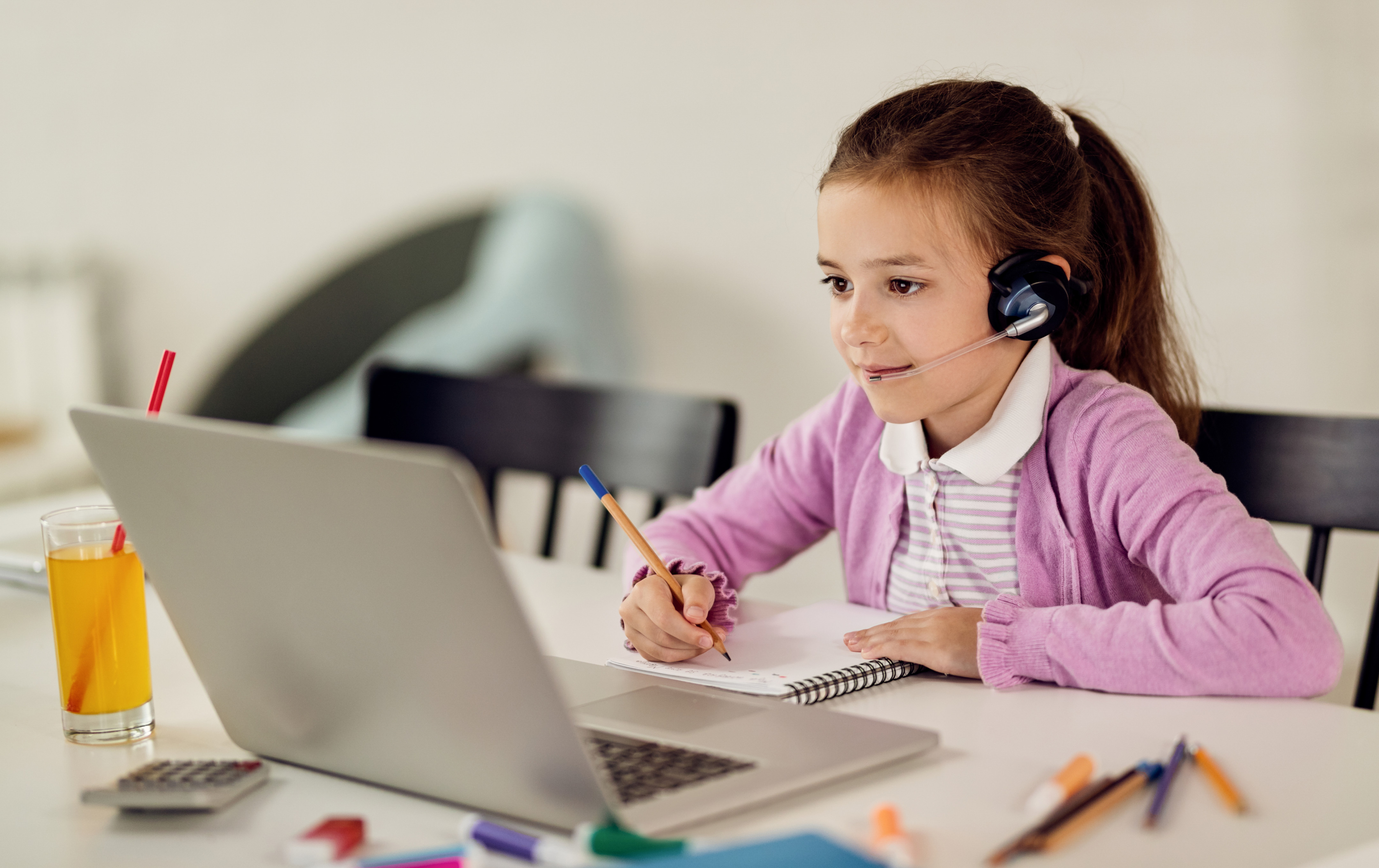
The Importance of Digital Literacy in Primary Education
In today’s world, technology touches every part of our lives — from learning and communication to creativity and exploration. At Nobel Public School, we believe that digital literacy is not just an extra skill anymore; it’s an essential part of education that prepares children for the future.
Read More
Building a Happy Mind: Mindfulness for Young Learners
In today’s world, technology touches every part of our lives — from learning and communication to creativity and exploration. At Nobel Public School, we believe that digital literacy is not just an extra skill anymore; it’s an essential part of education that prepares children for the future.
Read More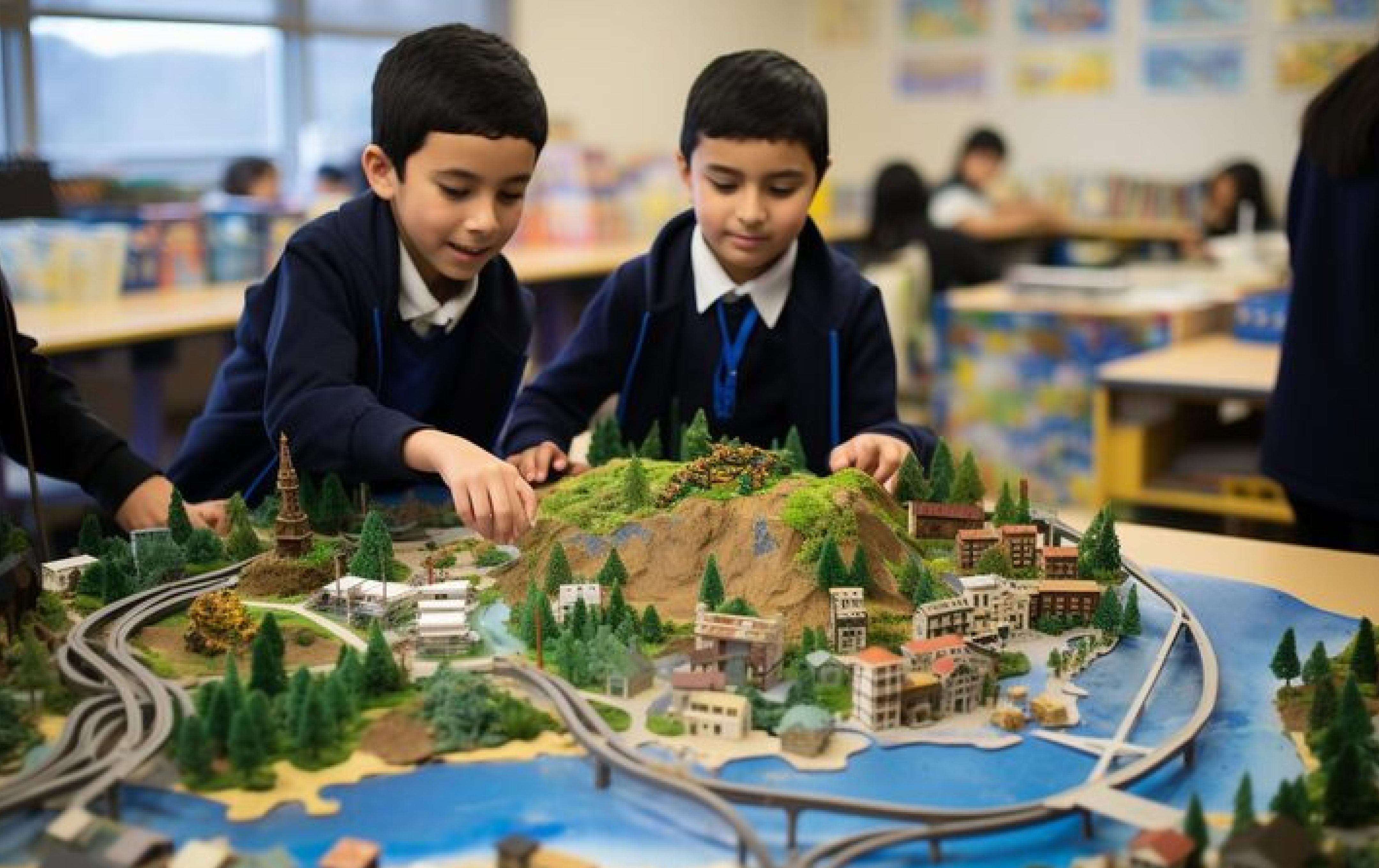
From Knowledge to Action: Preparing Students with Real-World Skills
In today’s world, technology touches every part of our lives — from learning and communication to creativity and exploration. At Nobel Public School, we believe that digital literacy is not just an extra skill anymore; it’s an essential part of education that prepares children for the future.
Read More Noble Public School
 Noble Public School We believe that early years will set the course for your child's future education. Hence we have introduced "Cherry Kids" an entirely new pre-primary wing, which will especially cater to your little ones.
- Performing Arts Classes
- Sports Facilities in School
- Children With Skating Class
- Instrumental Class
- Judo Class
© Copyright 2024, All Rights Reserved By Noble Public School, Gajraula | Design & Developed By Accevate Technologies